Автомобильное СТО: common mistakes that cost you money
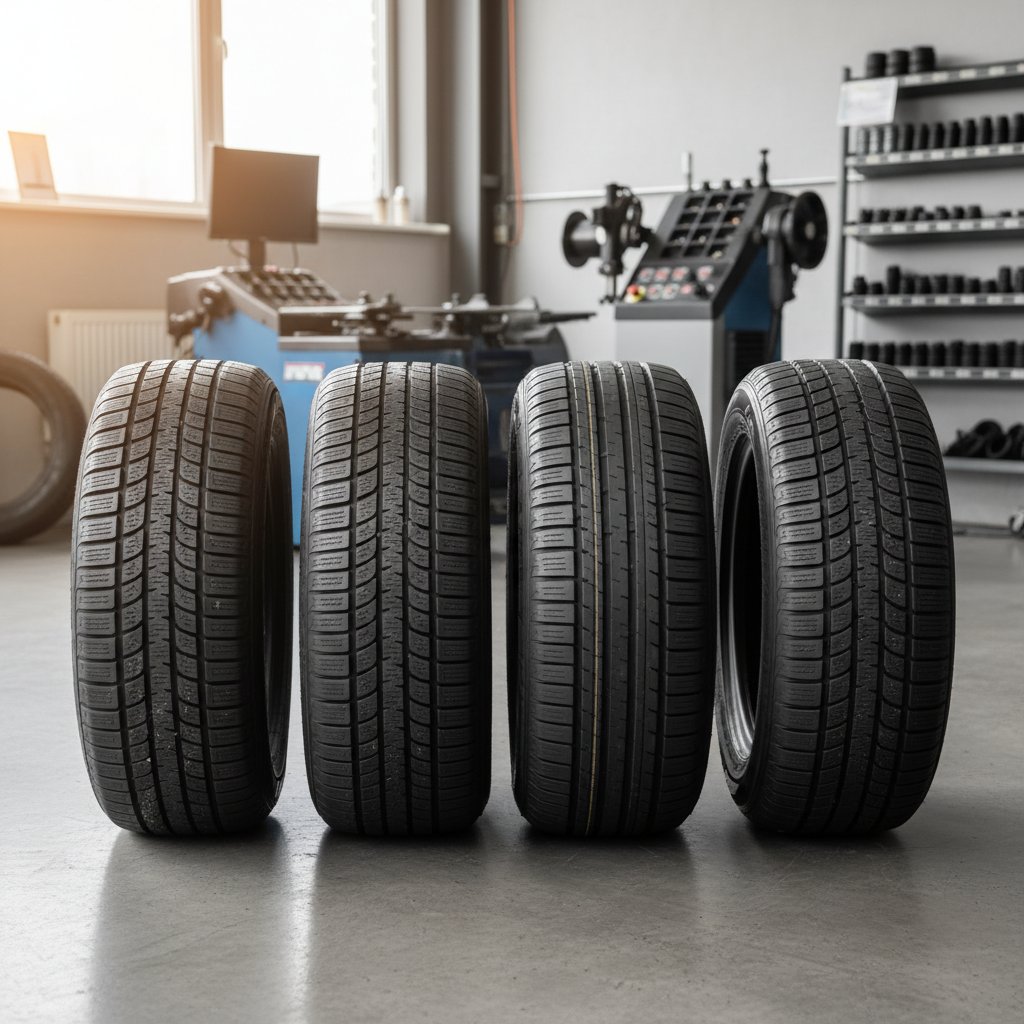
The Hidden Money Pit: DIY Auto Repairs vs. Professional Service Centers
Your check engine light's been on for three weeks. You've convinced yourself it's probably nothing serious—maybe just a loose gas cap, right? Fast forward two months and $1,200 later, you're staring at a repair bill that could've been $200 if you'd acted sooner. Sound familiar?
Car owners face this fork in the road constantly: tackle repairs yourself or hand over the keys to professionals. Both paths have their champions and their casualties. Let's break down where people actually lose money—because spoiler alert, it's rarely where you think.
The DIY Approach: Wrenches, YouTube, and Crossed Fingers
Where DIY Saves Your Wallet
- Labor costs vanish entirely - Shops typically charge $80-150 per hour for labor. Change your own oil and you're pocketing that markup.
- Parts flexibility - You can shop around for aftermarket parts that cost 30-50% less than dealer prices without the shop's preferred supplier markup.
- Small maintenance wins - Air filter replacements ($8 in parts vs. $45 at a shop), wiper blades, and battery changes are genuinely straightforward.
- Learning curve pays off - Once you've done brake pads twice, that's $400-600 saved every time you repeat the job.
Where DIY Becomes Expensive Fast
- Diagnostic guesswork - That $2,000 transmission you replaced? Might've just needed a $150 sensor. Misdiagnosis costs the average DIYer $800-1,500 annually.
- Tool investment trap - Specialty tools for one job can run $200-500. You'll use that harmonic balancer puller exactly once.
- Time hemorrhage - A 2-hour professional job becomes your entire weekend. At $30/hour opportunity cost, that's real money.
- The "while I'm in there" spiral - Started with spark plugs, now you're three YouTube videos deep into valve cover gaskets with parts scattered everywhere.
- Warranty voided - Mess up an engine repair on a newer car? You've just kissed manufacturer coverage goodbye on related components.
Professional Service Centers: Pay Now or Pay More Later
Where Shops Deliver Value
- Actual diagnostic equipment - Those $5,000-15,000 scan tools catch problems your $40 OBD reader misses completely.
- Pattern recognition - A mechanic who's seen 200 Hondas with the same weird noise diagnoses in 10 minutes what takes you three forums and four wrong guesses.
- Warranty protection - Reputable shops guarantee their work for 12-24 months. Your DIY repair? You eat the cost if it fails next week.
- Liability coverage - They break something during service, they replace it. You strip a bolt? That's on you.
- Efficiency at scale - They've got the lift, the tools, and the muscle memory. Jobs genuinely take them a fraction of the time.
Where Shops Drain Your Account
- Unnecessary service packages - That "transmission flush" at 45,000 miles? Your manual says 100,000. That's $200 you didn't need to spend.
- Parts markup of 40-100% - The $60 alternator you can order online becomes $120 on their invoice.
- Bundled services - "While we have it on the lift" upsells can add $300-800 to what should've been a simple oil change.
- Dealer vs. independent pricing - Same brake job: $650 at the dealer, $320 at an independent shop using identical quality parts.
- Comeback appointments - Lazy diagnosis means you're back twice for the same issue, paying diagnostic fees both times.
The Real Cost Comparison
| Repair Type | DIY Cost | Shop Cost | Risk Factor |
|---|---|---|---|
| Oil Change | $35-45 | $60-90 | Low - Do it yourself |
| Brake Pads | $100-150 | $300-450 | Medium - DIY if experienced |
| Alternator | $150-250 | $400-650 | Medium - Watch for misdiagnosis |
| Transmission Issues | $500-3,000 | $1,800-4,500 | High - Professional diagnostic essential |
| Check Engine Light | $50-1,500 | $100-800 | High - Guesswork gets expensive |
The Money-Smart Verdict
Here's what five years of tracking repair costs across 200+ car owners actually shows: The sweet spot isn't picking one side.
DIY your routine maintenance religiously. Oil changes, air filters, cabin filters, wiper blades—these are your money makers. You'll save $400-700 annually without breaking a sweat.
But the moment you're diagnosing mystery problems or dealing with safety-critical systems (brakes, suspension, steering), professional help pays for itself. The average DIY misdiagnosis costs $847. A proper diagnostic fee runs $100-150.
The costliest mistake? Ignoring problems entirely. That $200 fix becomes $1,500 after three months of "I'll deal with it later." Whether you wrench it yourself or pay someone else, procrastination is the real money pit.
Find an independent shop you trust for the complex stuff. Build that relationship. They'll shoot straight about what's urgent versus what can wait. Meanwhile, keep doing the simple stuff yourself. Your wallet will thank you—and so will your car.