Автомобильное СТО in 2024: what's changed and what works
Auto repair shops have always been slow to embrace change. But 2024 hit different. Between software that actually talks to each other, customers who've gotten pickier than ever, and EV drivetrains showing up in every third bay, the landscape shifted faster than anyone expected. Here's what survived the shake-up and what's actually moving the needle for shops this year.
1. Diagnostic Software Finally Got Its Act Together
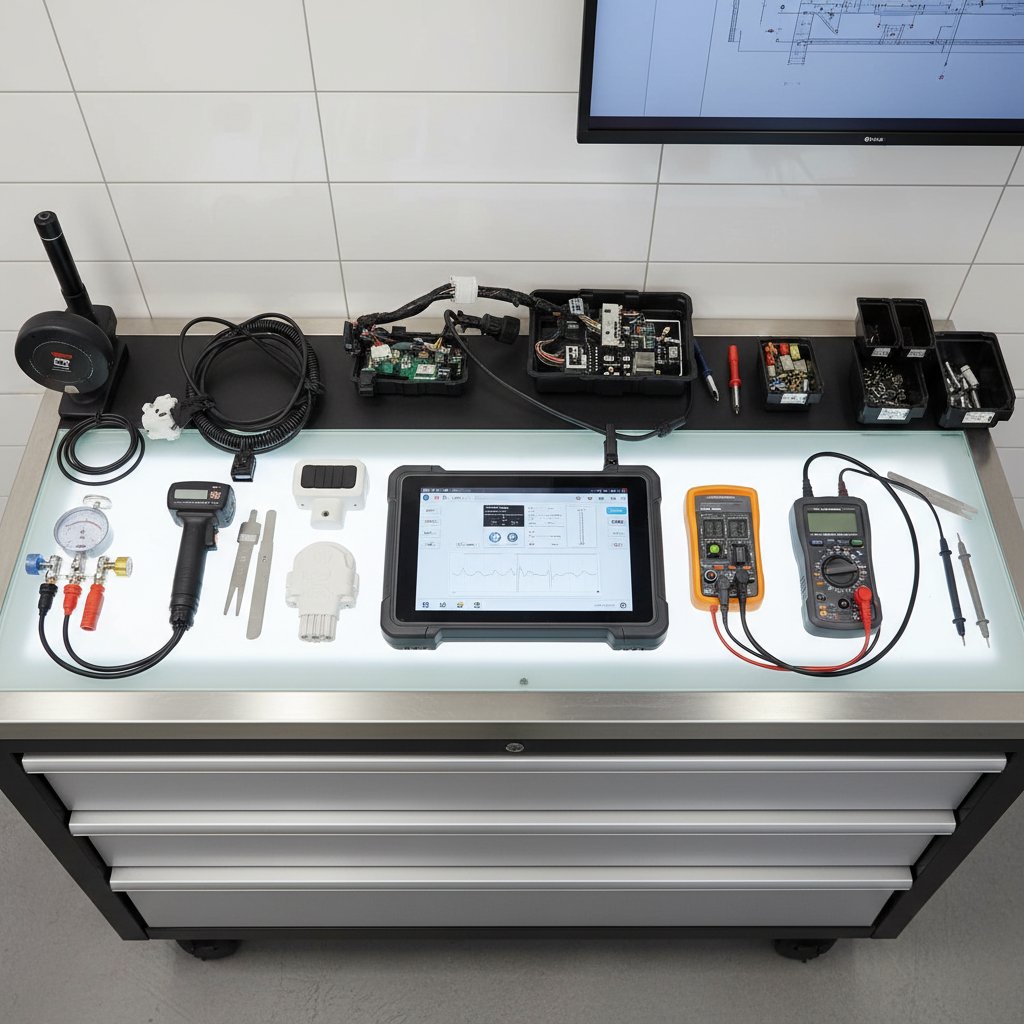
Remember when you needed four different laptops to diagnose European, Asian, and domestic vehicles? That nightmare's mostly over. Cloud-based diagnostic platforms like Opus IVS and Bosch ADS merged their databases, cutting diagnostic time by 30-40% for shops that made the switch. You're looking at around $200-300 monthly for comprehensive coverage, but techs are finding intermittent electrical faults in minutes instead of hours.
The real game-changer isn't just the software—it's the community features. When a tech in Florida solves a weird 2023 Hyundai issue at 9 AM, a shop in Seattle sees that solution by lunch. One shop owner I know cut his "diagnostic limbo" cases from 8 per month to 2 just by tapping into these shared knowledge bases. That's real money saved on buybacks and frustrated customers.
2. Text Updates Became Non-Negotiable
Calling customers about their repairs? That's basically professional suicide now. Shops running SMS updates through platforms like Broadly or Shop-Ware are seeing approval rates jump from 60% to 85%. Customers want a text with a photo of the worn brake pad, a price, and two buttons: "Approve" or "Let's discuss." Done.
The shops still clinging to phone calls are hemorrhaging customers to competitors. One independent shop in Ohio tracked this religiously—they lost 23% of first-time customers who they could only reach by phone, versus 7% of customers who got text updates. Your service advisor's time matters too. Texts mean they're not playing phone tag for 90 minutes a day, and they can handle 40% more customer interactions without breaking a sweat.
3. Hybrid and EV Training Stopped Being Optional
Here's the uncomfortable truth: if your techs aren't certified for high-voltage systems, you're turning away 25-30% of potential work in most metro areas. That Prius with a check engine light? The RAV4 Hybrid needing brake service? You're sending them to the dealer or that shop down the street that invested in training.
The good news? Certification isn't the months-long ordeal it used to be. ASE's L3 hybrid/EV certification takes most techs 40 hours of study plus the test. Community colleges are running weekend intensives for around $1,200-1,500. One shop in Denver certified three techs in Q1 2024 and added $18,000 in monthly revenue by June just from hybrid and EV work they were previously declining. The ROI hit in under three months.
4. Transparent Pricing Killed the Mystery Quote
Customers spent the last few years getting instant prices for everything from groceries to plane tickets. They expect the same from you. Shops using digital vehicle inspections with real-time pricing (pulled from their management system) are closing repairs 35% faster than shops still doing handwritten estimates.
This doesn't mean you're locked into a price before you touch the car. It means when you find that leaking water pump, the customer gets a notification with photos, a clear explanation, and a price range within 5 minutes. No waiting for the service writer to call, no game of telephone between the bay and the front desk. Shops report that this transparency actually reduces price shopping—customers trust you more when they see exactly what they're paying for.
5. Subscription Services Found Their Lane
Prepaid maintenance plans aren't new, but shops finally figured out how to make them work in 2024. The key? Keep it stupidly simple. Successful programs offer 3-4 oil changes plus rotation and inspection for $180-220 annually. That's it. No complicated tiers, no confusing benefits charts.
A shop in Portland enrolled 340 customers in their subscription program and saw those customers come back 2.8 times more frequently than non-subscribers. They're not making a killing on the oil changes themselves—they're capturing the additional work that comes from having eyes on those vehicles regularly. Average ticket per subscriber visit: $425 versus $280 for walk-ins. The math works.
6. Google Business Profile Became Your Real Storefront
Your physical location matters less than your Google listing now. Shops with 50+ reviews averaging 4.5 stars or higher are getting 3-4x more calls than shops with 15 reviews at 4.2 stars. That gap is massive and it's widening.
The shops winning this game aren't begging for reviews—they've automated the ask. Customer gets a text two hours after pickup with a simple review link. Response rate sits around 15-20%, which means a shop doing 400 repairs monthly adds 60-80 reviews annually without anyone lifting a finger. One shop tracked this: they went from 42 reviews in January to 127 by December, and their phone volume increased 60%. Same location, same services, better digital presence.
The shops thriving in 2024 aren't doing anything revolutionary—they're just finally catching up to where customer expectations landed about three years ago. Technology stopped being a nice-to-have and became table stakes. The good news? None of this requires a massive capital investment. It requires saying yes to change instead of waiting for things to go back to "normal." They won't.